You Won’t Believe What I Found Exploring Kathmandu’s Hidden Culture
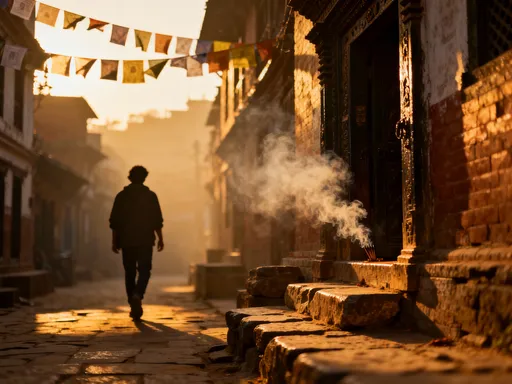
Kathmandu isn’t just temples and trekking vibes—it’s a living, breathing cultural maze waiting to be explored. I wandered through backstreets where incense curls around ancient doorways, watched artisans shape metal like their ancestors did centuries ago, and shared butter tea with locals who smiled like old friends. This city doesn’t just show you Nepal—it lets you feel it. If you're looking for real cultural soul, not tourist traps, Kathmandu delivers in ways you never expected. The rhythm of life here is measured not by clocks but by temple bells, by the turning of prayer wheels, and by the quiet dignity of people living in harmony with centuries-old traditions. This is not a place to rush through, but to settle into, to listen, and to absorb.
Stepping Into the Pulse of the City
The first moments in Kathmandu are a full-body experience. As the plane descends toward Tribhuvan International Airport, the Kathmandu Valley unfolds beneath—a patchwork of terracotta rooftops, green fields, and distant Himalayan peaks dusted with snow. The city greets you not with silence, but with a symphony of honking rickshaws, bicycle bells, and the occasional cow ambling across the road. The air carries a complex blend: diesel fumes, the earthy scent of damp soil after a morning rain, and the sweet smoke of burning juniper from nearby shrines. It’s overwhelming, yes, but that sensory overload is the first step toward understanding Kathmandu on its own terms.
Most visitors begin in Thamel, the city’s tourist heart. Bright signs advertise trekking gear, guesthouses, and international restaurants. It’s convenient, yes, but it’s also a bubble—an island of familiarity in a sea of authenticity. To truly connect with Kathmandu, one must step beyond Thamel’s borders. A short walk into the surrounding neighborhoods reveals a different world: narrower lanes, quieter foot traffic, and homes with intricately carved wooden windows and brass door knockers shaped like mythical creatures. This transition is essential. It marks the shift from observer to participant, from tourist to traveler.
The key to embracing Kathmandu is to let go of the need for order. Streets may lack clear signage; sidewalks might be uneven or shared with vendors. But within this apparent chaos lies a deep-rooted rhythm. Shopkeepers greet each other by name, children walk to school in crisp uniforms, and monks in maroon robes move calmly through the bustle. There’s a sense of community here that resists the pace of modern urban life. By slowing down, listening, and allowing yourself to be momentarily lost, you open the door to experiences that can’t be scheduled or predicted. That first moment of disorientation is not a setback—it’s an invitation.
Beyond the Guidebooks: Real Neighborhoods, Real Lives
While guidebooks often spotlight Durbar Square and Swayambhunath, the soul of Kathmandu lives in its everyday spaces. Asan Tole, a historic marketplace in the old city, offers a vivid window into local life. At dawn, the square comes alive with merchants setting up stalls—pyramids of red chili peppers, baskets of turmeric root, and garlands of marigolds destined for temple offerings. Women in colorful saris haggle gently over prices, while men balance baskets of fresh vegetables on their shoulders. The air hums with Newari, Nepali, and the occasional English phrase—"best price for you, madam!"—but commerce here feels personal, not transactional.
Just a few blocks away, Indrachowk pulses with a different energy. Known for its metalwork and jewelry shops, this bustling intersection has been a commercial hub for centuries. Here, you’ll find elderly men reading newspapers on wooden benches, students hurrying to college, and monks collecting alms in the early morning. It’s common to see a smartphone in one hand and a string of prayer beads in the other—a quiet testament to how tradition and modernity coexist. Walking these streets, you begin to notice the small rituals: a woman lighting a butter lamp outside her home, a man spinning a prayer wheel on his way to work, a family pausing to offer flowers at a roadside shrine.
These neighborhoods are not curated for visitors. There are no entrance fees, no guided tours, and no souvenir shops selling mass-produced trinkets. What they offer instead is authenticity. By walking the same routes locals take, eating at family-run tea stalls, and shopping at neighborhood markets, travelers gain insight into the fabric of daily life. A simple act—buying a cup of chiya (spiced milk tea) from a roadside vendor—can become a moment of connection. The vendor might ask where you’re from, comment on the weather, or share a laugh about the morning’s chaos. These small exchanges, fleeting as they may be, are the heartbeat of Kathmandu’s culture.
Temples That Tell Stories, Not Just Sightsee
Kathmandu is often called the "city of temples," and with good reason—there are over 1,000 within its boundaries. But to see these sacred spaces merely as architectural wonders is to miss their essence. Temples here are not museums frozen in time; they are living centers of devotion, community, and continuity. Swayambhunath, the iconic hilltop stupa known as the Monkey Temple, is a prime example. At sunrise, the climb up its 365 steps is filled with pilgrims—elders in woolen shawls, young mothers carrying infants, and monks in saffron robes. Each person walks slowly, spinning prayer wheels and murmuring mantras, their breath visible in the cool morning air.
The stupa itself, with its all-seeing eyes painted on the spire, symbolizes enlightenment and compassion. But the real story unfolds around it. Locals press their foreheads to the ancient stone, light butter lamps, and tie prayer flags to the railings. Children chase pigeons, dogs nap in the sun, and vendors sell incense and flowers. This is not a performance for tourists; it’s a daily act of faith. Similarly, Pashupatinath, one of the most sacred Hindu temples in the world, is a place of profound spiritual energy. Located on the banks of the Bagmati River, it draws thousands of devotees each day. The scent of sandalwood and marigolds fills the air, and the sound of chanting blends with the river’s flow.
While cremations take place along the riverbank—a deeply sacred ritual in Hindu tradition—visitors are asked to observe with reverence and from designated areas. This is not a spectacle; it’s a reminder of life’s impermanence and the cycle of rebirth. The temple complex is vast, with shrines dedicated to various deities, meditation halls, and ashrams where sadhus (holy men) meditate in silence. To visit Pashupatinath is not to check a box on a travel list, but to witness a living tradition that has endured for over 1,500 years. The same is true of smaller temples tucked into alleyways—each one a quiet sanctuary where devotion is personal, intimate, and uninterrupted by crowds.
Hands-On Heritage: Meeting the Makers
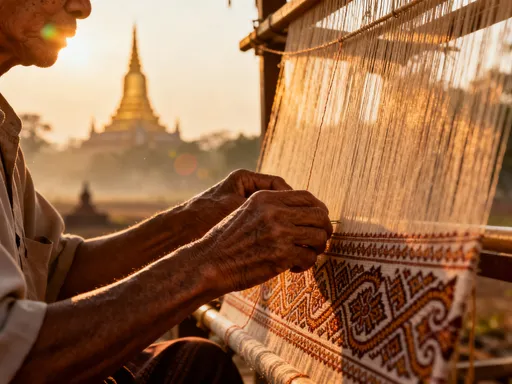
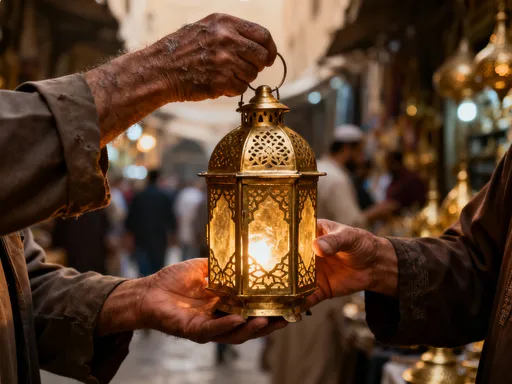
One of Kathmandu’s greatest cultural treasures lies in the hands of its artisans. In neighborhoods like Kilagal and Patan, traditional crafts are not relics of the past but thriving practices passed down through generations. Metalworkers in Kilagal specialize in repoussé—a technique of hammering intricate designs into copper, brass, and silver. Their workshops are dimly lit, filled with the rhythmic tapping of hammers and the faint smell of heated metal. An elderly craftsman might spend weeks shaping a single ceremonial bowl, each motif carrying symbolic meaning: lotus flowers for purity, dragons for protection, and the endless knot for eternity.
Woodcarving is another revered art form, especially around Hanuman Dhoka and Bhaktapur. Skilled artisans transform blocks of sal and teak into elaborate windows, doors, and temple facades. The level of detail is astonishing—delicate vines, celestial dancers, and guardian deities emerge from the grain. Many of these carvers begin training as children, learning not just technique but the spiritual significance of their work. In Thamel and Patan, travelers can visit ethical craft cooperatives that support local artisans, ensuring fair wages and sustainable practices. Unlike mass-produced souvenirs, these handmade pieces carry the soul of their makers.
Thangka painting, the sacred art of Tibetan Buddhist iconography, is another profound tradition. Artists in Boudhanath and Swayambhunath spend months creating these intricate scroll paintings, using natural pigments and gold leaf. Each brushstroke follows strict religious guidelines, and the process itself is considered a form of meditation. Visitors can observe painters at work in small studios, often accompanied by soft chants and the flicker of butter lamps. By supporting these artists—whether by purchasing a piece or simply spending time to appreciate their craft—travelers contribute to the preservation of a fragile cultural heritage. These encounters remind us that culture is not something to be consumed, but to be honored and sustained.
Food as Cultural Gateway
To understand Kathmandu, one must taste it. While momos (dumplings) have gained international fame, the city’s culinary landscape is far richer and more nuanced. Dal bhat—lentil soup served with rice, vegetables, and pickles—is the cornerstone of Nepali cuisine, eaten twice daily by millions. It’s humble, nourishing, and deeply symbolic of home. Many travelers experience it not in restaurants but in modest family homes, where hosts serve it with warmth and pride. Sharing a meal like this—eating with the right hand, dipping vegetables into spicy achar—is a gesture of trust and hospitality.
Street food offers another layer of discovery. In narrow alleys, vendors fry sel roti (sweet rice donuts), grill kebabs, and serve steaming bowls of jhol momo—dumplings in a spicy broth. Yomari, a Newari delicacy shaped like a fish and filled with molasses and sesame, is traditionally made during the Yomari Punhi festival but can sometimes be found in specialty shops. Eating at these informal spots requires some caution—stick to places with high turnover, drink bottled water, and avoid raw vegetables—but the rewards are worth it. Each bite tells a story: of harvests, festivals, and generations of family recipes.
Coffee culture is also growing, with small cafes in Jhamsikhel and Lazimpat offering locally roasted beans and quiet spaces to reflect. Yet even here, tradition finds its way in—chiya is still the drink of choice in most homes, and butter tea remains a staple in Himalayan-influenced households. Food in Kathmandu is not just sustenance; it’s memory, identity, and connection. By approaching meals with curiosity and respect, travelers open a door to deeper understanding—one that no guidebook can fully convey.
Navigating the City with Respect and Awareness
Traveling in Kathmandu requires more than a good map—it demands mindfulness. Cultural sensitivity is not an optional add-on; it’s the foundation of meaningful travel. Dressing modestly is essential, especially when visiting temples. Shoulders and knees should be covered, and shoes must be removed before entering sacred spaces. These are not arbitrary rules but signs of respect for deeply held beliefs. Similarly, asking permission before photographing people, especially during rituals, is a simple but powerful act of courtesy. A smile and a gesture can go a long way in gaining consent—and often lead to conversation.
Understanding local etiquette enhances the experience. In Nepali culture, the head is considered sacred, so avoid touching someone’s head, even playfully. The left hand is traditionally used for hygiene, so it’s polite to eat and offer items with the right hand. Greetings often include a slight bow with hands pressed together—"Namaste"—a gesture that conveys respect and goodwill. Tipping is appreciated but not expected; a small donation to a monastery or a kind word to a guide can mean more than money.
Responsible travel also means being aware of one’s impact. Avoid supporting businesses that exploit child labor or sell counterfeit religious artifacts. Choose guesthouses and tour operators that prioritize local employment and environmental sustainability. By making thoughtful choices, travelers help preserve the very culture they’ve come to admire. Respect, in this context, is not passive—it’s an active commitment to leave things better than you found them.
Why Kathmandu Stays With You
Long after the flight home, Kathmandu lingers. It’s not the temples or the souvenirs that stay with you, but the feeling—the quiet moments that slipped in between the planned ones. The old woman who offered you a marigold at a shrine. The child who smiled as you struggled to spin a prayer wheel. The artisan who let you try your hand at hammering copper, laughing gently at your clumsy attempts. These are the memories that settle into your heart, reshaping how you see the world.
Kathmandu doesn’t give up its secrets easily. It asks for patience, presence, and humility. But in return, it offers something rare: a chance to witness a culture that lives in continuity with its past, not as a performance, but as a way of being. It challenges the modern traveler’s obsession with efficiency and convenience, reminding us that some of the most profound experiences come from simply being still, observing, and listening.
To travel deeply in Kathmandu is to return home with more questions than answers. What does it mean to live a life rooted in ritual? How can tradition and change coexist with grace? And how can we, as visitors, honor rather than disrupt? These are not just questions about Nepal—they are invitations to reflect on our own lives. In the end, Kathmandu doesn’t just change your itinerary; it changes your perspective. And that, perhaps, is the most valuable souvenir of all.