You Gotta See Bagan This Way – My Honest Take on What Actually Matters
Bagan isn’t just temples—it’s golden light spilling over ancient stupas, the crunch of dirt paths under your shoes, and hot air rising as thousands of balloons drift into the dawn. I went searching for magic and found something real: moments that stick with you long after the dust settles. This isn’t a checklist of must-sees. It’s about how to *feel* Bagan, not just see it. Let me show you what truly makes it unforgettable.
Why Bagan Feels Like Stepping Into Another Time
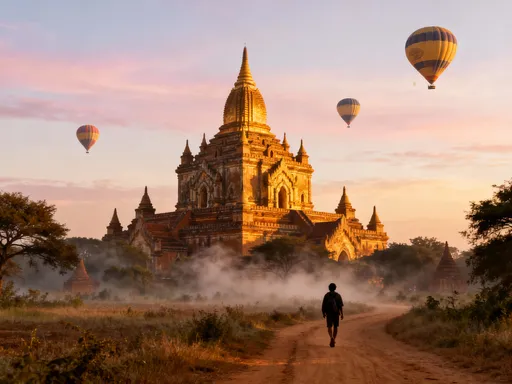
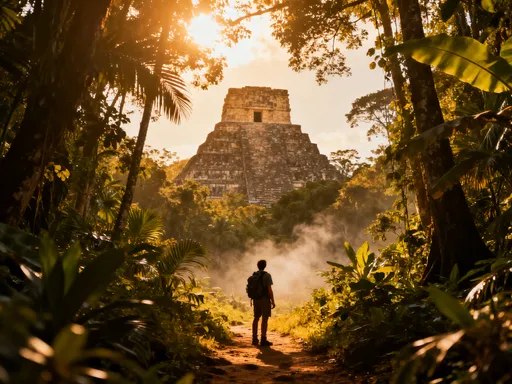
The first thing that strikes you about Bagan is the silence. It’s not an absence of sound, but a kind of deep, resonant stillness that settles over the plains like morning mist. As the sun rises behind a sea of stupas and temples—some towering, others half-buried in earth—the landscape seems to breathe. You stand on a small rise, and in every direction, the horizon is broken by ancient silhouettes. There are over 2,000 temples scattered across this arid plain in central Myanmar, built between the 11th and 13th centuries during the height of the Bagan Empire. But the number doesn’t capture the feeling. What matters is the sense of timelessness, the way centuries collapse when you run your hand over sun-warmed brick carved with stories no one speaks anymore.
This is not a curated museum or a reconstructed heritage site. Bagan is alive with history, not frozen in it. Some temples are meticulously restored, their red walls gleaming under the tropical sun. Others are left in partial ruin, their domes cracked open like overripe fruit, roots of banyan trees threading through their cores. The contrast is part of the beauty. You don’t just see history—you feel it. The air carries the faint scent of dust and incense. Early in the morning, before the tour groups arrive, you might hear the soft clink of a monk’s alms bowl or the distant call to prayer from a village mosque. Birds wheel above Ananda Temple, their shadows flickering across its gilded spire.
Walking through Bagan at dawn, when the light is soft and golden, you understand why so many travelers describe it as spiritual. It’s not necessarily religious, but deeply human. There’s a humility that comes from standing among structures built by hands long gone, monuments to faith and ambition that have outlasted kingdoms. The sheer scale of the temple field—stretching across 26 square miles—creates a sense of wonder that few places on Earth can match. Yet, it’s not overwhelming. There’s room to wander, to get lost, to find a quiet corner where you can sit and simply be. That stillness, that sense of connection to something ancient and enduring, is what makes Bagan feel like stepping into another time.
Choosing the Right Way to Explore: E-Bike, Horse Cart, or On Foot?
How you move through Bagan shapes your experience more than you might think. The temple plain is vast, and while some clusters are close together, others are separated by long stretches of open land. Most travelers choose between three main ways to get around: e-bikes, horse-drawn carts, and walking. Each has its own rhythm, its own rewards, and its own limitations. The key is not to pick one and stick with it, but to understand how each mode of transport serves a different purpose—and then combine them to match your energy, curiosity, and pace.
E-bikes have become increasingly popular in recent years. They’re efficient, affordable, and give you a great deal of freedom. Rental prices typically range from $5 to $8 per day, and the bikes are easy to operate, with a simple throttle and battery life that lasts most of the day. With an e-bike, you can cover a lot of ground—visiting distant temples like Sulamani in the east or Myauk Guni in the north—that would be too far to reach on foot. The breeze on your face, the ability to stop whenever you want, and the independence of setting your own route make e-bikes appealing, especially for travelers who like to move at their own speed.
But there’s a trade-off. E-bikes are fast, and speed can dull the senses. When you’re zipping from temple to temple, it’s easy to fall into the trap of checklist tourism—rushing to see as many sites as possible without really absorbing any of them. You miss the subtle details: the pattern of light through a crumbling archway, the way a gecko darts across a sunlit wall, the quiet hum of bees near a lotus pond. You also miss the human element. Unlike horse cart drivers, e-bike renters rarely have a local guide with them, so they miss out on stories, context, and spontaneous interactions.
Horse carts, pulled by gentle, slow-moving horses and driven by local men in longyis, offer a completely different experience. They move at a pace that forces you to slow down. A full-day tour usually costs between $20 and $30, and the driver often doubles as a guide, pointing out temples, sharing local legends, and stopping at small villages along the way. There’s a quiet dignity to these rides. The creak of the wooden wheels, the soft clop of hooves on dirt paths, the way the driver greets other villagers with a nod—it all adds to the sense of stepping back in time. For travelers who value connection and storytelling, the horse cart is unmatched.
Walking, though less common due to the heat and distance, offers the most intimate experience. When you walk, you notice everything—the texture of the soil, the way shadows lengthen across the fields, the sudden coolness inside a temple’s dim chamber. It’s possible to walk between certain temple clusters, especially in the central area near New Bagan. A morning or late afternoon walk from Thatbyinnyu to Shwesandaw, for example, takes about 30 minutes and allows you to feel the land beneath your feet. It’s not practical for a full-day tour, but even a short walk can ground you in the landscape in a way no vehicle can.
The best approach? Combine all three. Start your day with a horse cart to ease into the rhythm of Bagan and gain context from your driver. Mid-morning, rent an e-bike to explore a more distant area at your own pace. End the day with a short walk to a quiet temple as the light fades. Wear light, breathable clothing, bring plenty of water, and don’t underestimate the sun—hats and sunscreen are essential. And when bargaining for a horse cart, be respectful. These drivers rely on tourism for their livelihood, and a fair price supports the local economy.
Sunrise vs. Sunset: Which One’s Worth the Early Wake-Up Call?
The great Bagan debate: should you wake up before dawn to see the sunrise, or wait for the golden hour of sunset? Both are beautiful, but they offer very different experiences—and not every traveler will find them equally rewarding. The answer depends on your temperament, your tolerance for cold mornings, and what kind of memories you want to take home.
Sunrise in Bagan is legendary. Thousands of hot air balloons—some shaped like animals, others glowing like lanterns—rise into the sky as the first light spills over the Irrawaddy River. Temples are bathed in a soft, golden glow, their shadows stretching long across the plain. The air is cool, almost crisp, and the world feels hushed, as if holding its breath. For photographers, this is prime time. The light is magical, and the balloon-filled sky creates a scene that looks like something from a dream. Many travelers say this is the most unforgettable moment of their visit.
But there’s a catch. Sunrise means waking up around 4:30 or 5:00 a.m., driving to a popular temple like Shwesandaw or Pyathada, and joining dozens, sometimes hundreds, of other tourists jostling for space on the viewing platforms. Tripods crowd the edges, drones buzz overhead (despite restrictions), and the quiet is often broken by chatter and camera clicks. The cold can be biting, especially in the dry season (November to February), and if the sky is hazy, the view may not live up to expectations. For some, the effort outweighs the reward.
Sunset, on the other hand, is often quieter and warmer—both in temperature and tone. The crowds are smaller, the light is rich and amber, and there’s a sense of calm as the day winds down. Without the swarm of balloons, the sky feels more natural, and the temples glow with a deep, earthy warmth. It’s easier to find a peaceful spot, to sit and reflect, to watch the last light fade over the plains. For travelers who value solitude and a more relaxed pace, sunset may be the better choice.
Photographers should note that sunset lighting is often more forgiving and consistent than sunrise, which can be affected by morning mist or dust in the air. Drones are less common in the evening, so you’re less likely to see them in your shots. And unlike sunrise, you don’t have to sacrifice sleep.
So who should choose which? Adventurers and early risers who don’t mind the cold and the crowds will likely cherish the sunrise experience. Photographers seeking dramatic, once-in-a-lifetime shots may also find it worth the effort. But for families, older travelers, or anyone who values comfort and calm, sunset offers a more gentle and intimate farewell to the day. You don’t have to pick one over the other—many visitors do both on different days. But if you can only choose one, let your personal rhythm guide you. Bagan rewards presence more than perfection.
Beyond the Temples: Authentic Moments Most Guides Skip
Yes, the temples are breathtaking. But Bagan’s soul isn’t found only in its ancient brick and stucco. It lives in the quiet moments between visits—in the village markets where women sell mangoes and sticky rice, in the tea shops where men sip sweet, milky tea and discuss the day’s news, in the workshops where artisans sand and polish layers of lacquerware by hand. These are the experiences that often get left out of guidebooks, yet they’re the ones that stay with you.
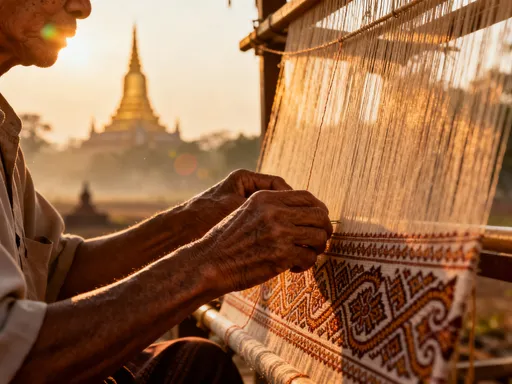
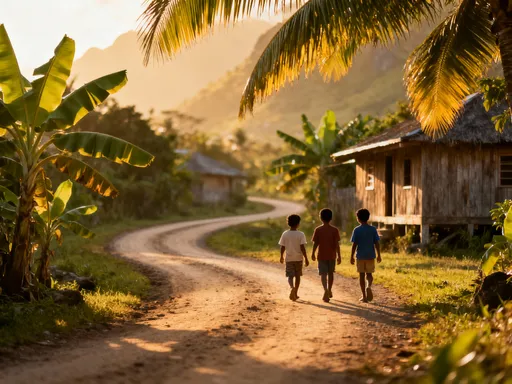
One morning, instead of heading straight to a temple, I followed a dirt path into a small village on the edge of the archaeological zone. Children waved as they walked to school, their uniforms bright against the dusty road. An old man sat outside his home, weaving a bamboo basket with practiced fingers. I stopped at a roadside stall and bought a cup of green tea from a woman who smiled but didn’t speak English. We communicated in gestures and laughter. That simple exchange—no words, just warmth—felt more meaningful than any photo I took that day.
Another afternoon, I visited a lacquerware workshop in Myinkaba, a village known for this traditional craft. Inside a low-slung building, artisans sat on mats, their hands moving with quiet precision. They showed me how each piece takes weeks to complete—layer upon layer of sap from the thitsee tree, hand-painted with delicate designs, polished until it gleams. I watched a young woman paint tiny lotus blossoms onto a tray, her brush so steady it seemed to float. I bought a small bowl, not because I needed it, but because I wanted to support her work. These crafts are part of Myanmar’s cultural heritage, and tourism, when done respectfully, helps keep them alive.
Sharing a meal with a local family is another way to connect. Some guesthouses and tour operators arrange home visits where travelers can eat traditional dishes like mohinga (fish soup with rice noodles) or Shan noodles. These aren’t performances—they’re real moments of hospitality. You sit on the floor, eat with your hands, and learn about daily life from people who are genuinely curious about you, too. It’s humbling and heartwarming.
The key to these experiences is respect. Dress modestly, ask before taking photos, and don’t treat people like exhibits. A smile, a nod, a small gift—like fruit or tea—can go a long way. These interactions aren’t about ticking off another item on your itinerary. They’re about recognizing our shared humanity. In a world that often feels divided, moments like these remind us how much we have in common.
Temple Climbing Rules: What You Can and Can’t Do (And Why It Matters)
One of the most important things to understand about Bagan is that not all temples are open for climbing. After a major earthquake in 2016 damaged hundreds of structures, the government and UNESCO stepped in to protect the site. Today, only a limited number of temples allow visitors to ascend to their upper terraces or towers. This isn’t bureaucracy—it’s preservation. These buildings are over a thousand years old, built without modern materials, and every footstep adds to the wear.
Currently, Shwesandaw Pagoda is one of the few temples where sunset viewing is still permitted. But even there, rules apply: no climbing after dark, no drones, and no loud noises. Other temples, like Ananda and Thatbyinnyu, are open to enter and explore inside, but their upper levels are off-limits. Many smaller temples are completely closed to climbing, their entrances marked with signs or ropes. These restrictions may disappoint some travelers, especially those who came hoping to photograph the plains from above. But they’re necessary.
The goal is not to limit access, but to ensure that future generations can experience Bagan, too. Restoration work is ongoing, led by local experts and international teams using traditional methods. Climbing on fragile structures can cause cracks, dislodge bricks, and accelerate erosion. Even well-meaning tourists can do harm without realizing it. That’s why guides and signs emphasize staying on designated paths and touching walls only when permitted.
It’s also worth noting that some travelers still attempt illegal climbs, sneaking into restricted areas at dawn or dusk. This is not only dangerous—some structures are unstable—but also disrespectful. It undermines conservation efforts and risks penalties, including fines or deportation. The beauty of Bagan doesn’t depend on a panoramic view from the top. Some of the most powerful moments happen at ground level: standing in the cool darkness of a temple chamber, running your hand over ancient carvings, or watching light filter through a small window onto a seated Buddha.
Instead of focusing on height, focus on depth. Explore the interiors, read the inscriptions, notice the craftsmanship. Bring a small flashlight to see murals in dim corners. Sit quietly and listen. These are the experiences that connect you to the spirit of the place, not just the scenery.
How to Avoid the Crowds and Find Your Own Quiet Corner
It’s no secret that Bagan has become more popular in recent years. During peak season (November to February), the main temples can feel crowded, especially at sunrise. But the truth is, the temple plain is so vast that solitude is never far away—if you know where to look. With a little planning and a willingness to wander, you can find your own quiet corner, a place where it feels like you’ve discovered something secret.
The trick is to move beyond the central cluster. Most tourists stick to the area between New Bagan and Old Bagan, where temples like Ananda, Shwesandaw, and Dhammayangyi are easily accessible. But head north toward the village of Wetkyi-in, or east toward the quieter outskirts near Myinkaba, and the crowds thin out dramatically. These areas are still within riding distance, but they see far fewer visitors. You’ll find temples half-hidden by trees, their steps worn smooth by time, their interiors cool and silent.
Timing matters, too. Arrive at popular temples right after sunrise, before the tour buses roll in, or visit late in the afternoon, about an hour before sunset. Midday is the quietest time, though the heat can be intense. If you’re walking or on an e-bike, you can explore without a fixed schedule, stopping when you feel drawn to a place. Turn off the main paths. Follow your instincts. Some of the most beautiful temples have no names on maps, no signs, no vendors—just peace.
Using a map or GPS can help, but don’t rely on it completely. Sometimes the best discoveries happen when you get slightly lost. Keep a simple paper map as backup, and don’t be afraid to ask a local driver or shopkeeper for directions to “quiet temples.” Many will happily point you to lesser-known sites. Just remember to be respectful—some areas are still used for worship, and silence is appreciated.
The reward for seeking solitude is immeasurable. There’s a difference between seeing a temple and experiencing it. When you’re alone, or with just one or two others, you can sit, breathe, and let the place speak to you. You notice the way light moves across the floor, the sound of wind through a broken arch, the stillness that settles in your chest. These are the moments that change you.
Putting It All Together: Designing a Day That Feels Real, Not Rushed
So how do you create a day in Bagan that feels authentic, meaningful, and not like a race against the clock? It starts with letting go of the idea that you have to see everything. Bagan is not a checklist. It’s a landscape to be felt, a rhythm to be matched. A well-designed day balances exploration with rest, movement with stillness, sightseeing with connection.
Here’s one way to structure it: Begin early, but not too early. Aim to arrive at a sunrise viewpoint like Shwesandaw by 6:00 a.m.—late enough to avoid the coldest hours, early enough to catch the light. Stay for 30 to 45 minutes, then move on. Don’t linger in the crowds. After sunrise, visit a major temple like Ananda, but take your time. Walk around it slowly. Step inside. Sit. Let your eyes adjust to the dim light. Notice the details—the carvings, the murals, the quiet devotion of local visitors who come to pray.
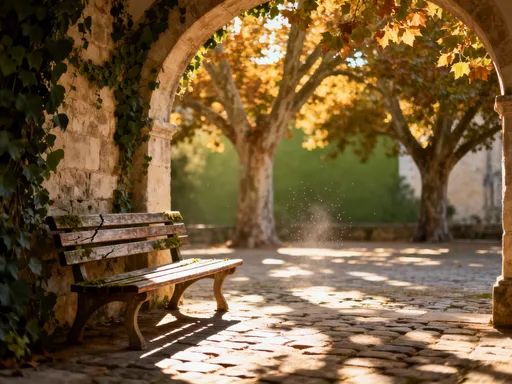
By mid-morning, switch gears. Rent an e-bike or hop on a horse cart and head to a quieter area. Stop at a village market. Buy a coconut. Chat with a vendor. Visit a lacquerware workshop. Have lunch at a family-run restaurant serving local dishes. Let the afternoon heat slow you down. Find a shaded bench near a small temple and read, rest, or simply watch the world go by.
In the late afternoon, return to the temple plain. This time, choose a less-visited site for sunset. Or skip the viewing platforms altogether and find a grassy spot between temples. Bring a bottle of water, a hat, and a sense of patience. As the light turns golden, you’ll likely have the place mostly to yourself. No drones, no crowds, just the quiet beauty of an ancient landscape at day’s end.
The most important thing? Listen to your body. Bagan is hot, dusty, and physically demanding. Stay hydrated. Take breaks. Wear comfortable shoes. Don’t push yourself to see one more temple if you’re tired. The goal isn’t to collect sights, but to open yourself to the experience. When you slow down, Bagan reveals itself—not as a destination, but as a feeling. And that’s what stays with you.
Bagan’s power isn’t in numbers—2,200 temples, five sunrise tours, or three photo drones overhead. It’s in the quiet between footsteps, the warmth of a shared smile, the sky catching fire over a stupa you’ve never heard of. Traveling here isn’t about collecting sights. It’s about opening up to a place that moves at its own pace. When you let go of the plan, Bagan reveals itself—not as a destination, but as a feeling. And that’s what stays with you.