You Gotta See These Hidden Corners of Napier – Mind-Blowing Districts Only Locals Know
Napier, New Zealand, isn’t just Art Deco glamour—its real magic lies in the distinct neighborhoods that tell its full story. From sun-soaked coastal strips to quiet inland streets lined with murals and cafés, each district offers a different rhythm. I spent weeks exploring them, and honestly? I was blown away by how much diversity fits into such a compact city. Let me take you through the must-visit zones that shaped my unforgettable Napier journey.
Art Deco Heart: Napier’s Iconic Seaside Center
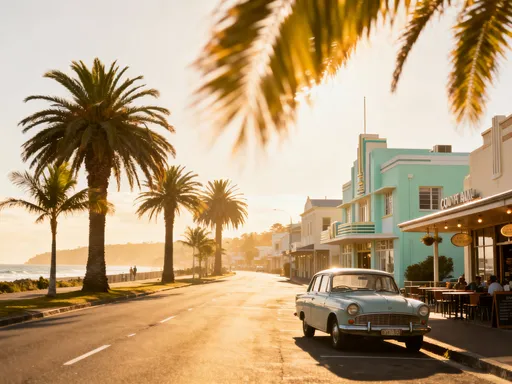
Napier’s identity is inseparable from its stunning Art Deco architecture, a legacy born from tragedy and rebirth. When a devastating earthquake struck in 1931, leveling much of the city, Napier was rebuilt in the architectural styles of the day—primarily Art Deco, with influences from Streamline Moderne and Spanish Mission. The result is one of the most concentrated and authentic collections of Art Deco buildings in the world, giving the city center a timeless, cinematic quality. Walking down Marine Parade or Tennyson Street feels like stepping into a 1930s postcard, with pastel facades, geometric patterns, and decorative motifs of sunbursts, zigzags, and Māori-inspired carvings.
What makes this district truly special is how thoughtfully preserved and celebrated it remains. Guided walking tours, such as those offered during the annual Art Deco Festival, bring the history to life with stories of reconstruction, resilience, and civic pride. Visitors can explore the restored Napier Municipal Theatre, admire the façade of the Daily Telegraph Building, or sip coffee at a café housed in a former bank with original tiled floors and brass teller windows. These small details anchor the experience in authenticity, making it more than just a visual treat—it’s a lesson in community spirit and creative renewal.
While the center draws crowds, especially during peak season, there are ways to enjoy its charm without the bustle. Early mornings offer golden light and empty streets, perfect for photography and quiet reflection. Weekdays are noticeably quieter than weekends, and visiting in late autumn or early spring means milder weather and fewer tourists. Consider starting your Napier journey here, not just for the architecture, but to understand the soul of a city that chose beauty and optimism in the face of disaster. This compact core isn’t just a starting point—it’s the heartbeat of the region’s identity.
Ahuriri: Where Waterfront Cool Meets Urban Edge
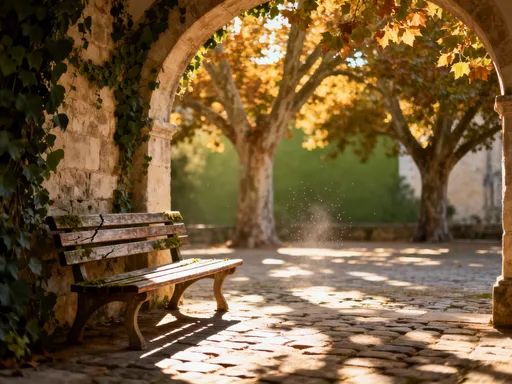
Just a short walk from the Art Deco center, Ahuriri presents a striking contrast—modern, dynamic, and effortlessly cool. Once an industrial port area, Ahuriri has been transformed into a vibrant lifestyle district where urban renewal meets natural beauty. The redeveloped waterfront is now a hub for craft beer enthusiasts, art lovers, and foodies seeking a relaxed yet sophisticated atmosphere. The estuary’s calm waters reflect the changing sky, creating a serene backdrop for waterfront dining, kayaking, or simply watching the world go by from a bench with a book.
The heart of Ahuriri’s revival lies in its collection of boutique breweries and waterside eateries. Places like Black Barn Brewery and Ferg’s Bar & Eatery offer locally brewed ales and seasonal menus that highlight Hawke’s Bay’s rich produce—think slow-roasted lamb, fresh oysters, and artisan cheeses. Many of these venues have expansive outdoor areas, allowing guests to dine with views of moored boats and the distant hills. The atmosphere is convivial but never rushed, embodying the Kiwi ideal of ‘good times, no hurry.’ It’s the kind of place where parents bring toddlers in strollers, friends gather for long lunches, and couples linger over wine as the sun dips below the horizon.
Beyond food and drink, Ahuriri is a destination for culture and recreation. The MTG Hawke’s Bay museum hosts rotating exhibitions that explore regional history, Māori art, and contemporary Pacific voices. Nearby, independent galleries showcase works by local painters and sculptors, often inspired by the area’s coastal light and biodiversity. For those who enjoy movement, the Ahuriri Estuary Walkway is a scenic trail that loops around tidal flats and native wetlands. It’s common to spot godwits, herons, and even the occasional kingfisher darting through the reeds. Whether you’re here for a sunset stroll or a full day of exploration, Ahuriri proves that urban regeneration can enhance, rather than erase, a place’s natural and cultural character.
Maraenui: Culture, Murals, and Authentic Community Spirit
North of the city center, Maraenui offers a different kind of beauty—one rooted in lived experience, cultural expression, and grassroots resilience. This neighborhood is predominantly home to Māori and Pacific Island communities, and its streets pulse with a sense of identity and pride. Unlike more tourist-centric areas, Maraenui is not designed for visitors, but for residents. Yet, for those who approach with respect and curiosity, it offers some of Napier’s most meaningful encounters.
The most visible expression of Maraenui’s spirit is its vibrant street art. Murals cover walls, garage doors, and community buildings, each telling a story—of whakapapa (genealogy), of historical events, of environmental stewardship, or of everyday life. One striking piece depicts a tītī tōrea (banded rail), a native bird symbolizing resilience and connection to the land. Another honors local elders and leaders who have shaped the community. These aren’t decorative add-ons; they are acts of cultural affirmation, created through collaborations between artists and residents. Taking time to view them is not just sightseeing—it’s a form of listening.
Community initiatives thrive here, from neighborhood markets selling homegrown produce and handmade crafts to youth programs that teach traditional weaving and carving. The Maraenui Community Centre often hosts events, from health fairs to cultural performances, where visitors are welcome to observe and, when invited, participate. There’s a warmth in these interactions that can’t be manufactured—a genuine openness that comes from shared space and mutual respect. While there are no luxury hotels or souvenir shops here, Maraenui offers something rarer: authenticity. It reminds us that travel isn’t just about seeing places, but about understanding people and the values that sustain them.
Bluff Hill: Panoramic Views and Quiet Coastal Charm
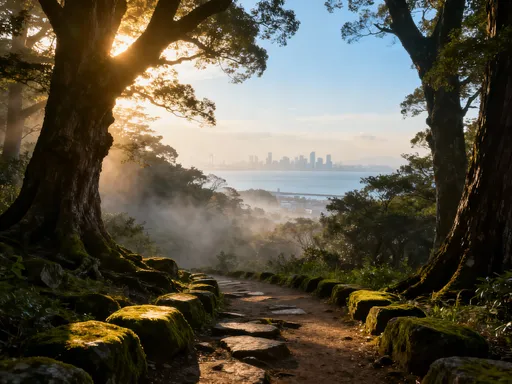
Rising gently above the city, Bluff Hill is Napier’s quiet sanctuary—a place of sweeping vistas, native bush, and peaceful streets lined with historic homes. The climb up Bluff Road feels like leaving the ordinary behind; with each turn, the noise of the city fades, replaced by birdsong and the rustle of pōhutukawa trees. At the summit, the reward is one of New Zealand’s most breathtaking panoramas: Hawke Bay stretching to the horizon, the Art Deco center nestled below, and the rugged coastline curving southward like a protective arm.
This vantage point is more than just a photo opportunity—it’s a moment of perspective. From up here, Napier’s compactness becomes clear. The entire city, with all its neighborhoods, fits within a small footprint, yet contains such rich layers of history, culture, and natural beauty. It’s a reminder that depth doesn’t require size. Many visitors stop briefly, snap a few pictures, and head back down. But those who linger discover more: walking trails that wind through regenerating bush, small memorials honoring early settlers and Māori ancestors, and quiet benches perfect for reflection. The Bluff Hill Reserve is well-maintained, with clear signage and accessible paths, making it suitable for families and older adults alike.
The residential area around the summit retains a village-like charm. Homes range from 1920s bungalows to modern eco-houses built with sustainability in mind. Residents often wave or say hello, embodying the friendly, unhurried pace of life up here. It’s not uncommon to see children riding bikes or dogs trotting along on leashes. For photographers, early morning or late afternoon offers the best light, with golden hues bathing the bay. But even on an overcast day, the atmosphere remains uplifting—a testament to the healing power of nature and the enduring appeal of elevated views. Bluff Hill isn’t just a destination; it’s a state of mind, inviting stillness in a world that rarely offers it.
Taradale: Vineyards, Vintage Shops, and Small-Town Ease
Just ten minutes west of Napier’s center, Taradale unfolds like a slower, sweeter version of the city. Known for its role in Hawke’s Bay’s wine industry, this district blends rural charm with suburban comfort. Rolling vineyards surround the town, their rows of vines turning golden in autumn and lush green in spring. Wineries such as Mission Estate—New Zealand’s oldest—and Church Road offer tastings in elegant settings, often with live music on weekends and gourmet platters featuring local cheeses and charcuterie.
But Taradale is more than just wine. Its main street, Fenton Street, is a treasure trove of vintage shops, bookstores, and cafés where time seems to pause. Antique dealers display everything from 1940s teacups to mid-century furniture, appealing to collectors and nostalgic browsers alike. A morning here might begin with a flat white at a corner café, continue with a browse through a secondhand vinyl store, and end with a slice of homemade lemon tart at a family-run bakery. There’s no pressure to buy, no crowds—just the pleasure of discovery at a human pace.
Families appreciate Taradale’s parks and playgrounds, while cyclists enjoy the flat, well-marked trails that connect to Napier and Hastings. The Taradale Park Rose Garden is a seasonal highlight, bursting with color and fragrance in late spring. Community events, such as the monthly Taradale Market, bring locals together for fresh produce, handmade goods, and live music. For visitors, staying overnight in Taradale—whether in a boutique B&B or a self-contained cottage—offers a chance to live like a local, even if just for a few days. It’s the perfect antidote to the sensory overload of busier destinations, proving that joy often lies in simplicity and connection.
Practical Tips: Moving Between Districts with Ease
Napier’s charm lies in its walkability and compact size, but smart planning ensures you make the most of your time. The city center, Ahuriri, and Bluff Hill are all within a 20-minute walk of each other, making foot travel a pleasant option, especially in mild weather. Comfortable shoes are essential, as some streets have gentle inclines, particularly on the way to Bluff Hill. For longer distances—such as trips to Taradale or Maraenui—a rental car offers flexibility and convenience. Public buses run regularly between key areas, with clear schedules available at the Napier i-SITE visitor center or online.
Cycling is another excellent way to explore. The Hawke’s Bay Cycle Trail, part of the larger New Zealand Cycle Trail network, passes through Napier and connects to vineyards, beaches, and rural landscapes. Bike rentals are available downtown, and many routes are traffic-free or use dedicated paths. For those who prefer guided experiences, local operators offer electric bike tours that cover multiple districts, combining exercise with storytelling and refreshment stops. These tours are especially popular with visitors who want context and commentary without the physical strain of long rides.
Parking is generally easy to find, though spaces near Marine Parade and Ahuriri can fill up on weekends. Free parking zones exist in residential areas, and multi-story car parks are available downtown. When visiting during summer or festival season, arriving early ensures the best spots. Weather in Napier is typically sunny and mild, but sudden changes can occur, so packing a light jacket or raincoat is wise. Sun protection—hat, sunglasses, and sunscreen—is non-negotiable, as the UV index can be high even on cloudy days. Lastly, picking up a local map or downloading an offline guide app helps you navigate with confidence, especially when venturing into less-marked areas like parts of Maraenui or the Bluff Hill trails.
Why Napier’s Neighborhoods Tell a Deeper Story
Exploring Napier’s districts reveals more than just scenic variety—it uncovers a city shaped by resilience, creativity, and a deep connection to place. Each neighborhood contributes a unique thread to the larger tapestry: the Art Deco center speaks of recovery and beauty born from loss; Ahuriri reflects innovation and harmony between urban life and nature; Maraenui embodies cultural pride and community strength; Bluff Hill offers perspective and peace; and Taradale celebrates the quiet joys of rural living and craftsmanship. Together, they form a portrait of a city that is both rooted and evolving.
What stands out most is the balance Napier has achieved—between tourism and authenticity, between preservation and progress, between bustle and stillness. Unlike destinations that cater solely to visitors, Napier remains a living, working city where residents take pride in their homes and history. This authenticity invites travelers to slow down, to look closely, and to engage with places on a deeper level. It’s not about checking off landmarks, but about feeling the rhythm of daily life, hearing local voices, and allowing yourself to be surprised by unexpected moments—a mural that moves you, a conversation with a shopkeeper, a sunset that takes your breath away.
Travel, at its best, is transformative. And Napier, in all its quiet diversity, offers that transformation not through spectacle, but through sincerity. It reminds us that the most memorable journeys are often the ones that unfold gradually, in neighborhoods that don’t shout for attention but whisper their stories to those willing to listen. So come with curiosity, come with respect, and let Napier’s hidden corners reveal not just a city, but a way of being that values harmony, resilience, and beauty in all its forms.