You Won’t Believe What I Found Driving Through Kanazawa’s Cityscape
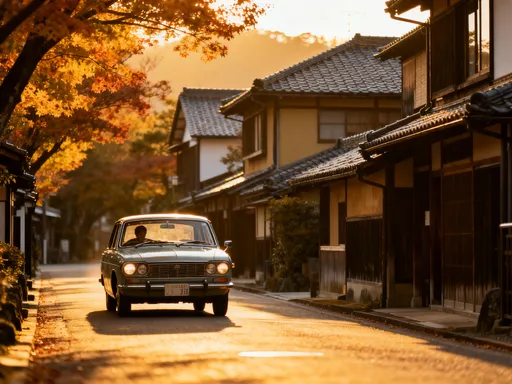
Driving through Kanazawa feels like slipping into a beautifully preserved secret. The city’s blend of tradition and modernity unfolds at your own pace when you’re behind the wheel. From golden temples to quiet backstreets lined with machiya houses, every turn reveals something unexpected. I came for the sights—but stayed for the rhythm of the city, best felt with the windows down and music low. This is urban Japan, not rushed, but truly lived. Unlike larger metropolises where traffic and concrete dominate, Kanazawa maintains a rare balance—where history breathes through modern life, and discovery waits just around the corner. For travelers seeking authenticity beyond tourist trails, driving here isn’t just practical; it’s poetic.
Why Self-Driving in Kanazawa Changes Everything
Exploring Kanazawa by car transforms the way visitors experience the city. While public transportation in Japan is famously efficient, it often funnels tourists into predictable patterns—arriving at major sites during peak hours, navigating crowded platforms, and adjusting plans around rigid timetables. In contrast, driving offers autonomy. You choose when to leave, where to pause, and how long to stay. This flexibility becomes especially valuable in a city like Kanazawa, where serenity and spontaneity are part of the charm. The ability to explore after sunset or arrive before dawn means experiencing places like Kenrokuen Garden without the press of crowds, watching morning light glisten on dew-covered stone paths as if you have the entire historic space to yourself.
Kanazawa’s size makes it ideal for self-driving. Compact enough to navigate in a single day, yet rich in layered neighborhoods, the city rewards those who take the time to wander beyond its center. With a car, you can seamlessly transition from the bustling Omicho Market to the tranquil Sai River, or detour to lesser-known temples tucked into residential zones. These transitions, often impractical on foot or via transit, allow for a more organic understanding of how Kanazawa’s districts interconnect. Rental cars are widely available near Kanazawa Station, with major agencies offering English-friendly service and automatic transmission options. International driving permits are required for foreign visitors, but the process is straightforward and well-supported, making access smooth even for first-time drivers in Japan.
Beyond convenience, driving fosters intimacy with the cityscape. Instead of viewing Kanazawa through a train window or a crowded bus seat, you engage with it directly—feeling the shift in atmosphere as you move from bustling avenues to narrow lanes flanked by wooden lattices. You notice small details: the scent of roasted green tea drifting from a corner shop, the sound of wooden geta sandals on stone, or the sight of a kimono-clad artisan stepping into a centuries-old workshop. These moments, fleeting and unscripted, form the emotional core of travel. A car doesn’t distance you from culture; it positions you within it, offering a rhythm that matches the city’s own quiet pulse.
The Urban Tapestry: Kanazawa’s Cityscape Unveiled
Kanazawa’s cityscape is a masterclass in harmonious urban design. Here, Edo-era heritage coexists with contemporary architecture, not as competing forces, but as complementary threads in a single fabric. The city avoided major destruction during World War II and escaped the wave of unchecked modernization that reshaped much of Japan in the 20th century. As a result, Kanazawa preserves a rare continuity of place. Walking or driving through its streets feels less like visiting a museum and more like stepping into a living, breathing community where tradition isn’t performed—it’s practiced.
Districts like Higashi Chaya, once home to geisha houses, now offer visitors a glimpse into 19th-century aesthetics with their latticed windows, earthen walls, and gently sloping roofs. Yet just a few blocks away, the 21st Century Museum of Contemporary Art rises with a circular glass facade that reflects both sky and passerby, symbolizing openness and dialogue. This juxtaposition isn’t jarring—it’s intentional. Urban planners have long emphasized preservation with purpose, ensuring new developments respect historical sightlines and materials. Even modern signage in commercial areas tends toward subtlety, avoiding the neon intensity of Tokyo or Osaka.
What makes Kanazawa’s layout so rewarding for drivers is its legibility. Unlike sprawling cities where navigation becomes a chore, Kanazawa’s grid-like structure, shaped by feudal-era planning, allows for intuitive movement. Major roads radiate from Kanazawa Castle, creating a natural orientation point. Side streets branch organically, leading to hidden plazas, small shrines, or artisan workshops. Driving at eye level lets you appreciate how elevation shifts subtly across the city—from the flat river plains to the gentle rise toward Utatsuyama Park—offering changing perspectives without steep inclines. This physical variety mirrors the cultural layers beneath: samurai districts on higher ground, merchant quarters near waterways, and temple zones nestled in quiet corners. Each neighborhood carries its own tone, and a car allows you to feel these shifts as you move, creating a narrative journey through time and space.
Route Planning: Mapping Your Personal Cityscape Journey
A well-planned driving route through Kanazawa turns a simple tour into a curated experience. The key is balancing efficiency with emotional resonance—structuring your day so that each destination builds on the last, both geographically and thematically. A recommended one-day loop begins at Kanazawa Station, a stunning architectural landmark in itself, with its glass-and-wood dome inspired by traditional craft. From here, head west toward the Higashi Chaya District, arriving by mid-morning when sunlight filters softly through wooden eaves. This timing avoids the largest tour groups and allows for peaceful exploration of teahouses and souvenir shops.
Next, drive south along Asanogawa-dori, a scenic avenue paralleling the Asano River, leading into the Nagamachi Samurai District. Designated a historic preservation zone, this area features restored residences of mid-ranking samurai, complete with white-plastered walls and narrow defensive lanes. Street parking is available nearby, though lots fill quickly during peak season. After spending an hour here, continue east toward Kenrokuen Garden, widely regarded as one of Japan’s three great gardens. Arrive by early afternoon to enjoy the full scope of its design—ponds, bridges, pines, and the iconic Kotoji Lantern—before shifting to a more reflective pace in the evening.
As daylight fades, drive to the 21st Century Museum of Contemporary Art, best experienced when interior lighting enhances its installations. The surrounding plaza remains open after hours, offering a modern counterpoint to the day’s historical themes. Finally, conclude your loop at Omicho Market, accessible by car via designated drop-off zones. While parking inside the market area is restricted, several multi-story car parks within a two-minute walk provide secure, short-term options. Timing your arrival for late afternoon ensures access to fresh seafood counters before they close, allowing you to sample Kanazawa’s famed sushi and kaisendon while still in the driver’s seat of your journey.
Effective route planning also includes practical considerations. GPS navigation works reliably in Kanazawa, though narrow streets in older districts may require manual attention. Using a mounted device with offline maps ensures continuity in low-signal areas. Parking fees vary: coin-operated lots typically charge between 200 and 400 yen per hour, while larger garages near the station offer flat rates for extended stays. Many hotels also provide guest parking, making it feasible to leave your car overnight and use it for half-day excursions. By aligning your route with both sightseeing goals and logistical realities, you create a seamless flow that mirrors the city’s own balance of order and grace.
Hidden Corners Only Drivers Get to See
Some of Kanazawa’s most authentic experiences lie beyond the reach of casual strollers and transit riders. These are places where stillness prevails, where daily life unfolds without performance, and where the city reveals its quieter soul. One such location is the Nishi Chaya District, less visited than its eastern counterpart but equally rich in atmosphere. Narrow canals run alongside moss-covered stone walls, and wooden machiya houses stand in quiet rows, many still used as private homes. Parking is limited, but a small public lot on the northern edge allows for a peaceful walk—or simply a moment to sit and absorb the hush.
Another hidden gem accessible primarily by car is the early-morning activity at Mikawa Wharf, part of Kanazawa’s active fishing port. Arriving by 6:30 a.m., you can witness boats unloading the night’s catch—snow crab, yellowtail, and sweet shrimp—destined for Omicho Market. While tourists rarely make this pre-dawn trip, drivers can pull over at designated observation areas and watch the rhythm of maritime labor under soft floodlights. The air is crisp, the silence broken only by gulls and distant engines, offering a raw contrast to the polished elegance of the city’s cultural sites.
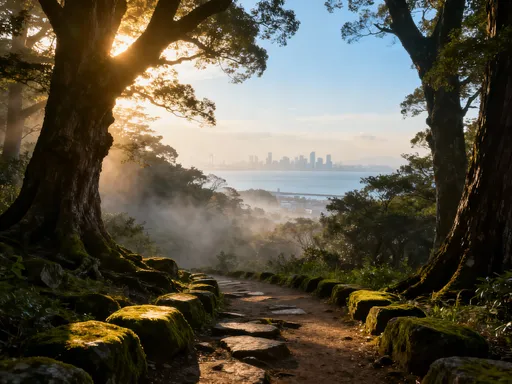
For panoramic views, the foothills of Utatsuyama offer several scenic pull-offs that are difficult to reach on foot. Following Route 8 uphill, drivers encounter small turnouts with unobstructed vistas of Kanazawa’s skyline—temple roofs glowing at sunrise, the castle keep rising above treetops, and the Sea of Japan shimmering in the distance. These moments of elevation provide not just visual reward but emotional perspective, reminding you of the city’s relationship with nature. Similarly, the residential neighborhoods near Kanazawa University, with their tree-lined avenues and quiet shrines, invite slow cruising rather than hurried transit. You might spot elderly residents tending bonsai, students cycling to class, or steam rising from a neighborhood bathhouse—scenes that capture the essence of everyday life in this thoughtful city.
Design & Infrastructure: How Kanazawa Welcomes Drivers
Contrary to the assumption that historic Japanese cities are unwelcoming to cars, Kanazawa has thoughtfully integrated vehicle access without compromising its character. Streets in central districts are paved with modern materials but maintain traditional widths, preserving the intimate scale of neighborhoods. Signage is clear and often bilingual, with major attractions marked by blue or green directional signs featuring pictograms. Roundabouts and traffic signals are strategically placed to manage flow, particularly near Kanazawa Castle Park and the station area, reducing congestion during peak hours.
Parking infrastructure is both abundant and user-friendly. In addition to coin-operated lots, many areas support app-based parking systems, allowing drivers to pay remotely and extend time from their phones. Some municipal lots offer flat rates after 6 p.m., encouraging evening visits to restaurants and cultural sites. For longer stays, the Park and Ride system enables visitors to park on the city’s outskirts and transfer to light rail or buses, though most travelers find that central parking is manageable with advance planning. Enforcement is consistent but fair, with clear signage indicating restrictions—such as no parking during street cleaning hours—helping drivers avoid fines.
Driving etiquette in Kanazawa reflects broader Japanese values: courtesy, precision, and respect for shared space. Speed limits are strictly observed, typically 40 km/h in urban zones and lower in residential areas. Pedestrians are given priority at crosswalks, and drivers routinely pause to allow others to pass, even when not legally required. U-turns and sudden lane changes are rare, contributing to a calm driving environment. For foreign visitors, this predictability reduces stress and enhances safety. Rental agencies provide detailed maps and route suggestions, and many cars come equipped with navigation systems that include English voice guidance. The combination of thoughtful urban design and disciplined driving culture makes Kanazawa not just navigable, but genuinely pleasant to explore by car.
Balancing Exploration: Culture, Food, and Driving Rhythms
A self-drive journey through Kanazawa reaches its fullest expression when transportation aligns with cultural rhythm. The city operates on a subtle timetable—one shaped by market openings, garden lighting, and seasonal festivals. By syncing your driving schedule with these natural cadences, you move beyond sightseeing into immersion. For instance, arriving at Omicho Market by 9 a.m. allows you to witness vendors arranging fresh seafood, steaming buns, and pickled vegetables, while later visits focus on tasting and shopping. Driving there early means quieter streets and easier parking, setting a relaxed tone for the day.
Similarly, Kenrokuen Garden’s evening illuminations, offered seasonally, create a magical atmosphere best reached by car after dinner. Public transit slows in the evening, and walking back from the garden in the dark may feel isolating. With a vehicle, you can linger as lanterns reflect on ponds and pine branches glow under soft lighting, then depart at your own pace. This kind of flexibility extends to dining: Kanazawa is renowned for its kaiseki cuisine, sushi, and locally brewed sake. Many top restaurants are located in quieter districts or require reservations, making car access essential for a refined culinary experience.
Driving also supports deeper engagement with seasonal events. During spring, plum blossoms at Kanazawa Castle Park draw crowds, but arriving early by car lets you enjoy the groves in solitude. In autumn, the changing leaves along the Saigawa River are best viewed from scenic overlooks reachable only by vehicle. Even winter offers moments—such as visiting the gold-leaf workshops in the Nagamachi area—where having a car means avoiding icy sidewalks and carrying purchases comfortably. Each season brings a different texture to the city, and a car allows you to adapt your route to the weather, light, and local happenings, ensuring your visit feels attuned to Kanazawa’s natural and cultural heartbeat.
Why This Journey Stays With You
In the end, driving through Kanazawa is not merely about convenience—it is about connection. The freedom to stop, observe, and change direction on impulse fosters a sense of agency that deepens every experience. You are not following a script; you are writing your own story within the city’s enduring landscape. That unexpected pause at a riverside shrine, the spontaneous decision to revisit a quiet alley at dusk, the quiet pride of navigating narrow lanes with confidence—these are the moments that linger long after the journey ends.
Kanazawa, through the lens of a driver, reveals itself as a city that honors both past and present. It does not hide behind preservation—it lives within it. And by choosing to explore at your own pace, you participate in that life. You witness not just what Kanazawa looks like, but how it feels—how its streets breathe, how its people move, how its history hums beneath modern footsteps. This is travel at its most intimate: personal, reflective, and deeply human. For women in their thirties to fifties—many balancing family, career, and personal renewal—such journeys offer more than escape. They offer reconnection: with beauty, with self, with the quiet joy of discovery. Driving through Kanazawa is not just a way to see the city. It is a way to remember how to be present, one mindful mile at a time.