You Won’t Believe These Wild Alaskan Buildings — So Unique, So Remote
When you think of Alaska, rugged wilderness and icy peaks probably come to mind — not architecture. But hidden across this vast state are buildings that defy expectations: from snow-resistant dome homes to hand-built log cabins and repurposed fishing shacks turned cozy retreats. I was blown away by how design adapts to extreme conditions here. This isn’t just shelter — it’s survival, creativity, and culture fused into structure. Let me take you through the most unexpected architectural gems you’ve never heard of — but absolutely need to see.
First Impressions: Architecture Where Nature Rules
Arriving in rural Alaska by small plane, the landscape unfolds in endless tundra, frozen rivers, and mountain ranges that seem untouched by time. Then, suddenly, a cluster of brightly painted buildings appears on the horizon — perched on stilts, wrapped in metal siding, or nestled into hillsides like natural extensions of the land. The sight is both surprising and deeply moving. In a place where temperatures can plunge below -50°F and blizzards last for days, human presence is not taken for granted. Every structure tells a story of adaptation, resilience, and intimate knowledge of the environment.
Alaskan architecture is shaped first and foremost by nature’s demands. Permafrost — ground that remains frozen year-round — prevents traditional foundations from taking root. Builders must elevate homes on pilings to avoid thawing the soil beneath, which could cause collapse. High winds, heavy snow loads, and limited transportation options further dictate form and function. Materials often arrive by barge or cargo plane, making local sourcing essential. Spruce logs, reclaimed wood, and insulated steel panels are common. Designers prioritize heat retention, wind deflection, and durability over aesthetics — though beauty often emerges from necessity.
One striking example is the use of modular construction in remote villages. These prefabricated units are shipped in pieces and assembled on-site, reducing labor and time. In places like Kotzebue or Nome, you’ll see rows of compact, energy-efficient homes with steeply pitched roofs to shed snow. Bright colors — cobalt blue, fire-engine red, sunflower yellow — help lift spirits during long, dark winters. From above, these communities resemble scattered jewels against a white canvas, each one a testament to human ingenuity in one of the harshest climates on Earth.
Arctic Engineering: Dome Homes and Elevated Structures
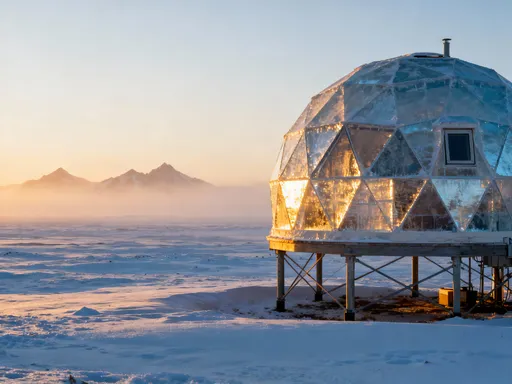
In northern Alaska, where the Arctic wind howls across flat expanses with nothing to slow it down, conventional houses would struggle to survive. That’s why geodesic dome homes have become a signature of innovation in towns like Utqiaġvik (formerly Barrow) and Deadhorse. These spherical structures, made of interlocking triangular panels, offer exceptional strength and aerodynamic efficiency. Wind flows around them rather than against them, minimizing structural stress. Their shape also reduces surface area, helping retain heat — a critical advantage when fuel costs are high and resources are scarce.
Beyond domes, elevated buildings are a common sight across the North Slope. Raised on steel or wooden stilts, they allow cold air to circulate beneath, protecting the permafrost from the heat radiating out of the home. Some are built with ventilation systems under the floor to actively cool the ground. Others incorporate adjustable foundations that can be re-leveled if shifting occurs. These engineering solutions aren’t just practical — they’re essential for long-term habitability in a region where climate change is accelerating permafrost thaw.
While dome homes and elevated designs offer clear benefits, they come with challenges. Construction requires specialized skills and materials, often transported thousands of miles. Insulation must be top-tier, typically using spray foam or rigid board systems that seal every gap. Windows are triple-paned and strategically placed to maximize solar gain without compromising thermal performance. Despite higher upfront costs, many communities find these investments worthwhile due to lower heating bills and longer building lifespans. In recent years, state and tribal programs have supported energy-efficient retrofits, helping families reduce dependence on imported fuels.
The result is a unique blend of modern engineering and environmental awareness. These buildings don’t fight the climate — they work with it. Walking through a village at twilight, watching snow swirl around a glowing dome, you feel a sense of quiet triumph. Here, architecture isn’t about luxury or trendiness; it’s about endurance, safety, and dignity in the face of extreme conditions.
Log Cabins with a Modern Twist
Deep in Alaska’s interior, where forests stretch as far as the eye can see, the log cabin remains a symbol of self-reliance and craftsmanship. In towns like Fairbanks, North Pole, and Talkeetna, hand-hewn cabins dot the landscape — some passed down through generations, others newly built by homeowners seeking a connection to tradition. The scent of spruce and cedar fills the air as you approach these homes, their logs carefully stacked and sealed with modern chinking compounds that keep out the cold while preserving the rustic charm.
Today’s Alaskan log homes are far from primitive. Many are equipped with solar panel arrays mounted on south-facing roofs, capturing precious sunlight during the long summer days to offset winter energy needs. High-efficiency wood stoves, often EPA-certified, provide steady heat while minimizing emissions. Some cabins operate entirely off-grid, powered by solar-battery systems and heated with radiant floor coils. Rainwater collection and composting toilets allow residents to live independently, even in the most remote locations.
Modernization doesn’t mean abandoning tradition. Builders still favor local timber — primarily white spruce, known for its straight grain and availability. Logs are typically milled on-site or sourced from nearby forests, reducing transportation costs and supporting sustainable forestry. Chinking techniques have evolved from moss and clay to durable synthetic sealants that expand and contract with temperature changes, ensuring a tight envelope against freezing winds. Insulation is added between interior walls, and vapor barriers prevent moisture buildup that could lead to rot.
Inside, these cabins blend warmth and functionality. Exposed beams and handcrafted furniture create a cozy atmosphere, while large windows frame views of snow-covered pines or distant mountains. On a winter night, with the stove crackling and northern lights dancing overhead, the feeling is one of deep comfort and connection. It’s not just a house — it’s a sanctuary, built by hand and sustained by innovation.
Adaptive Reuse: From Fishing Shacks to Mountain Huts
Alaskans have always been resourceful, and nowhere is that more evident than in their approach to building. With limited access to new materials and high construction costs, repurposing old structures has become both a necessity and an art form. Along the coast, abandoned fishing shacks are transformed into colorful weekend getaways. In Anchorage and Juneau, shipping containers are stacked into modern studios and guest houses. Even retired school buses, once left to rust in backwoods clearings, are now being converted into mobile tiny homes equipped with kitchens, beds, and solar power.
In Seward, along the edge of Resurrection Bay, you’ll find clusters of small, brightly painted cabins perched on pilings above the tide line. Many began as storage sheds or fish processing stations but have since been upgraded with insulation, electricity, and running water. Known locally as “beach cabins,” they offer seasonal rentals with unbeatable views of the water and access to kayaking, crabbing, and wildlife watching. Similarly, in Homer, artists and retirees have turned old boatyard buildings into quirky cottages, complete with nautical decor and driftwood accents.
These adaptive reuse projects reflect a broader Alaskan value: making the most of what’s available. Rather than demolishing outdated buildings, residents reimagine them. A former mining bunkhouse in Denali might become a ranger station or community center. An old military warehouse in Anchorage could be reborn as a craft brewery or art gallery. This mindset not only saves money but also reduces waste and preserves local character. Many of these conversions are done by hand, using salvaged materials and creative problem-solving.
For visitors, staying in a repurposed structure offers a unique experience. Booking a night in a converted container home or a seaside fishing shack allows you to live like a local, even if just for a weekend. However, it’s important to understand zoning regulations and rental rules, which vary by municipality. Some areas restrict short-term rentals or require special permits for off-grid living. Responsible tourism means respecting these guidelines and supporting owners who maintain their properties sustainably. By choosing to stay in creatively reused spaces, travelers contribute to a culture of innovation and environmental stewardship.
Indigenous Design Wisdom: Iñupiat and Athabascan Influences
Long before modern materials and engineering, Alaska’s Indigenous peoples developed sophisticated building techniques perfectly adapted to their environments. The Iñupiat of the Arctic coast constructed semi-subterranean homes called *qargi* or *iglu*, using snow, sod, and driftwood to create insulated shelters that retained heat and withstood fierce winds. In the interior, Athabascan communities built raised log cabins with sod roofs, designed to blend into the landscape and protect against extreme cold. These traditions weren’t just practical — they reflected a worldview centered on harmony with nature.
Today, elements of these ancestral designs continue to influence contemporary Alaskan architecture. Sod roofs, once used for insulation and camouflage, are now seen on eco-homes in Fairbanks and the Mat-Su Valley. They provide natural cooling in summer, reduce stormwater runoff, and support native plant growth. Semi-buried or earth-bermed homes, partially dug into hillsides, echo the *qargi* tradition and offer superior thermal stability. Even modern community centers in villages like Bethel and Barrow incorporate circular layouts inspired by traditional gathering spaces, fostering connection and shared purpose.
There is a growing movement to preserve and revitalize Indigenous building knowledge. Tribal organizations, in partnership with architects and educators, are leading workshops on traditional construction methods. In Northwest Alaska, youth programs teach young people how to build sod-walled shelters using time-tested techniques. In the Yukon-Kuskokwim Delta, elders pass down stories about how to select the right wood, position doors away from prevailing winds, and use animal hides for insulation. These efforts ensure that cultural wisdom is not lost to time.
Respecting Indigenous design also means recognizing land stewardship. Many Native communities emphasize building in ways that minimize disruption to the environment. Structures are sited with care, avoiding sacred sites and wildlife corridors. Materials are sourced locally and sustainably. This holistic approach offers valuable lessons for all Alaskans — and for visitors who wish to understand the deeper meaning behind the buildings they see.
Tourist-Friendly Stays with Architectural Flair
For travelers eager to experience Alaska’s architectural diversity firsthand, a range of unique accommodations awaits. Across the state, from Denali National Park to the Kenai Peninsula, lodges and cabins are designed not just for comfort, but for immersion in the landscape. Glass-walled eco-lodges offer panoramic views of glaciers and mountains, allowing guests to watch moose wander by or stars illuminate the night sky. Treehouse-style cabins, nestled among spruce and birch, provide a whimsical retreat with modern amenities. Wilderness yurts, accessible by ski, snowmobile, or boat, deliver off-grid adventure with a touch of elegance.
One standout destination is the remote eco-lodge near Port Alsworth, nestled in Lake Clark National Park. Built with reclaimed wood and powered by solar energy, it features large windows facing the lake and a rooftop observation deck ideal for aurora viewing. Guests enjoy home-cooked meals made with local ingredients and guided hikes led by Native Alaskan naturalists. Another popular option is the network of public-use cabins managed by the State of Alaska, scattered in forests, along rivers, and near hiking trails. These simple but sturdy structures typically include bunk beds, a wood stove, and basic cooking supplies — a perfect base for exploring backcountry wonders.
Booking these stays requires planning. Most fill up months in advance, especially during summer and fall foliage season. Reservations for state cabins open on a first-come, first-served basis, often within minutes of becoming available online. Travelers should also consider seasonal access — some lodges are reachable only by floatplane in summer or snowmobile in winter. Packing appropriately is essential: warm layers, waterproof boots, headlamps, and bear spray are standard recommendations.
Guests consistently praise these accommodations not just for their design, but for the sense of peace they offer. Waking up to silence, stepping outside to fresh snow or mist rising off a lake, feeling truly disconnected from the noise of everyday life — these moments stay with visitors long after they return home. The architecture enhances the experience, creating spaces that feel both protective and open to the wild beauty outside.
Why This Architecture Matters — And How to See It Responsibly
Alaska’s buildings are more than shelters — they are expressions of identity, resilience, and respect for the natural world. Each structure, whether a high-tech dome in the Arctic or a hand-built cabin in the boreal forest, reflects a deep understanding of place. They tell stories of people who live not despite the environment, but because of it. In an era of climate change and resource scarcity, these designs offer powerful lessons in sustainability, adaptability, and community-driven innovation.
As interest in Alaskan architecture grows, so does the responsibility to engage with it respectfully. Tourists should avoid trespassing on private property or disturbing remote structures. Many homes in rural villages are not tourist attractions — they are lived-in spaces, often built with great effort and care. The best way to appreciate them is through guided cultural tours, community events, or stays at authorized lodgings. Supporting local artisans, builders, and Indigenous-owned businesses ensures that tourism benefits the people who call Alaska home.
There are several ways to explore these architectural wonders thoughtfully. The Alaska Marine Highway offers scenic ferry routes with stops in coastal communities where you can walk through historic districts and see colorful beach cabins up close. Driving the Seward Highway or the Dalton Highway reveals a variety of building styles adapted to different terrains. Visiting cultural centers like the Alaska Native Heritage Center in Anchorage provides insight into traditional and contemporary Indigenous design. Photography is encouraged — but always with permission and awareness of context.
In the end, appreciating Alaskan architecture means looking beyond the postcard-perfect landscapes. It means noticing the details: the angle of a roof, the color of a door, the way a building sits on the land. It means understanding that every nail, every log, every solar panel represents a choice shaped by climate, culture, and courage. These structures stand as quiet testaments to human creativity — not in defiance of nature, but in conversation with it. And that, perhaps, is the most beautiful design of all.